
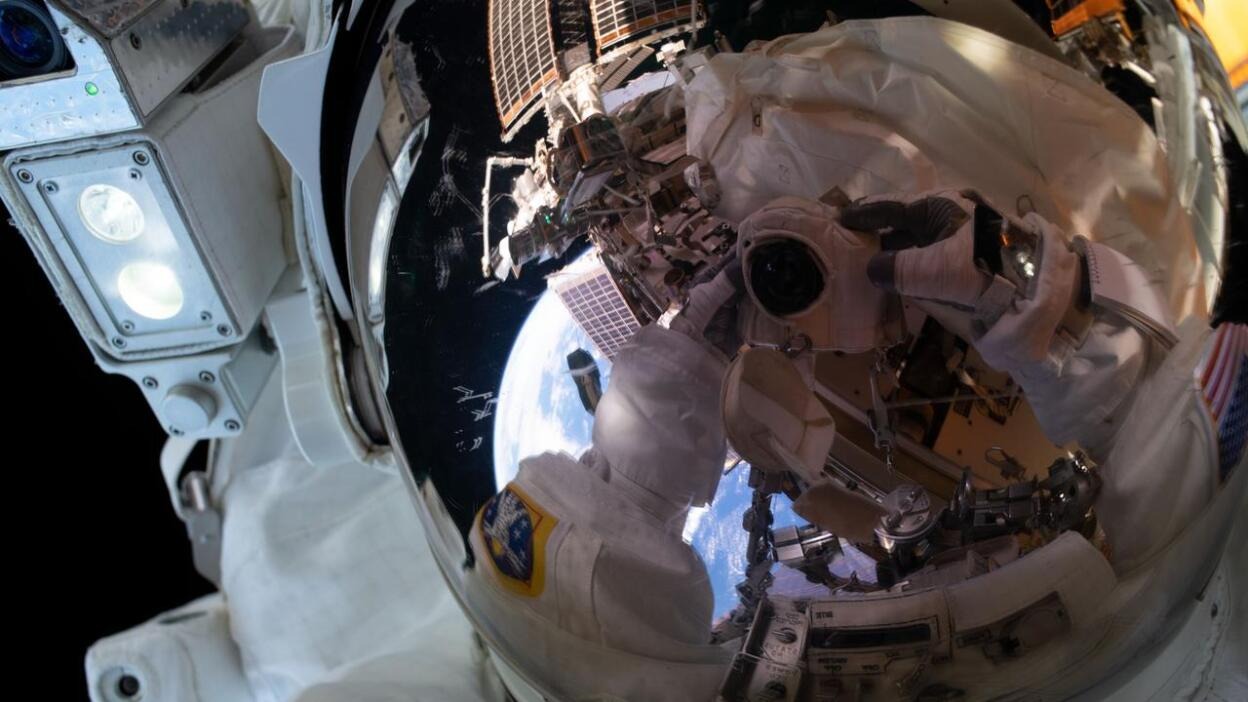
What really keeps astronauts alive when the engineering stops being the hardest part?
When most of us think about spaceflight, we picture roaring rockets, glowing control panels, and heroic last-minute fixes. But during my recent podcast conversation with Al Holland, I was reminded that the most fragile system in space is not mechanical. It is human.
Holland spent decades at NASA helping pioneer operational psychology, the science of selecting, preparing, and supporting astronauts not just as pilots or scientists, but as people. Long before Mars missions entered public conversation, he was asking a quieter, harder question. How do normal humans function under extraordinary isolation, risk, and confinement?
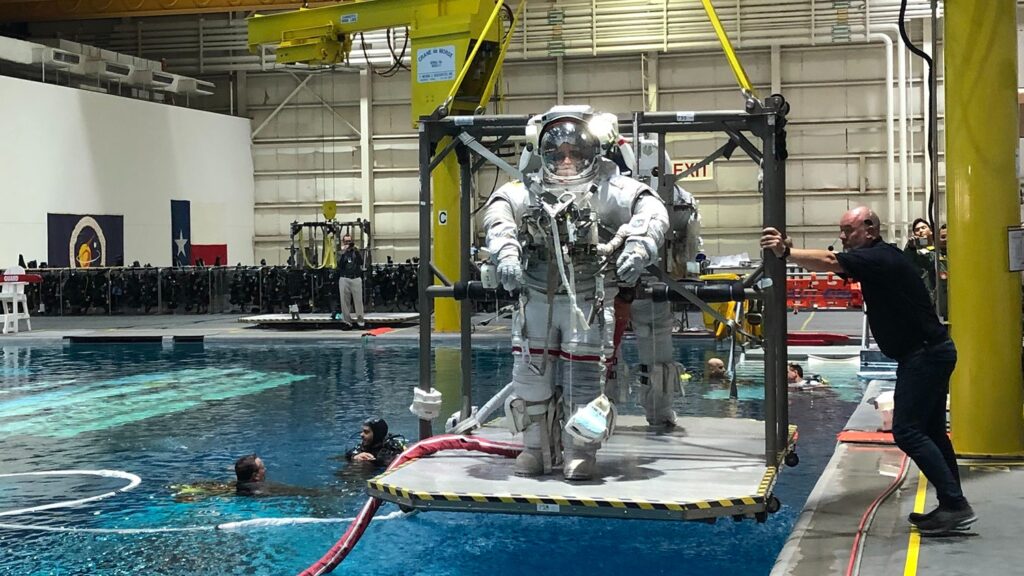
Beyond the Checklist: Choosing the Right Humans
One of Holland’s key insights is that technical brilliance is necessary but insufficient. For long duration missions, NASA had to evaluate what he calls the softer skills, qualities that only reveal themselves under pressure.
According to Holland, astronaut selection focused on attributes like:
- Problem solving under uncertainty
- Teamwork and followership, not just leadership
- Emotional self regulation
- Resilience and adaptability
As he explained during our interview, “These are normal people dealing with unusual environments”. That framing matters. Spaceflight does not turn humans into superheroes. It strips away comfort and exposes fundamentals.
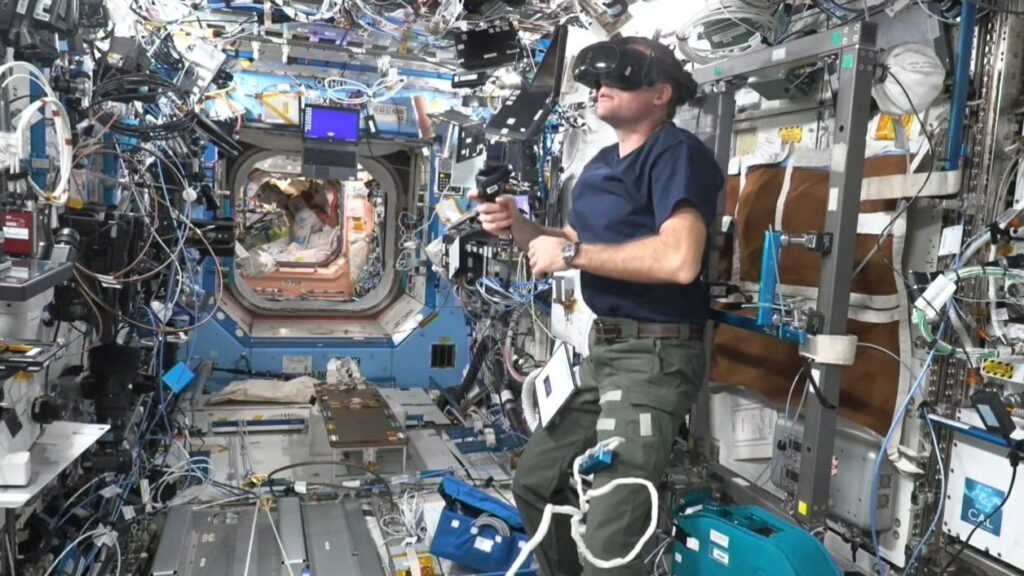
Training Crews, Not Just Astronauts
Once a crew is assigned, the psychological work intensifies. Holland described how NASA psychologists observe technical training sessions and then conduct full debriefs that focus specifically on team dynamics. What worked. What broke down. Who withdrew. Who adapted.
This approach mirrors lessons learned in undersea habitats, polar stations, and military units, environments Holland studied extensively. The surprise, he told me, was how transferable those lessons were. Any mission driven team, isolated and time bound, faces similar human challenges.
The Stress No One Sees on Screen
Hollywood loves a technical crisis. Real spaceflight is quieter and harder.
Holland identified two consistent stressors affecting astronaut performance:
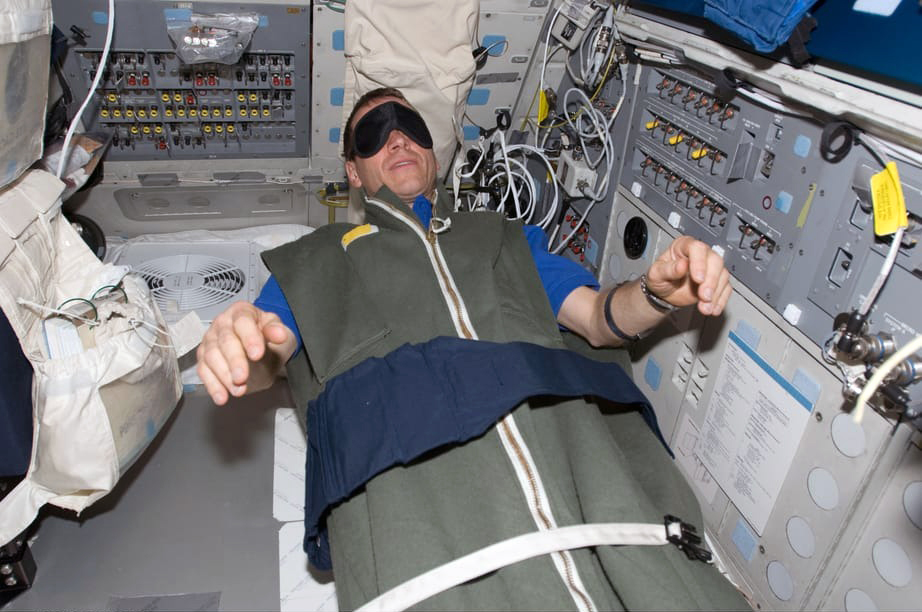
- Sleep disruption, which quietly degrades judgment and mood
- Separation from family and emotional touchstones back on Earth
“People draw energy and solace from home,” he said. “That bridge becomes fragile in space”.
On missions to Mars, that bridge stretches even further. Communication delays eliminate real time support, forcing crews into unprecedented autonomy. From a behavioral standpoint, Holland sees Mars as a fundamentally different psychological animal than the Shuttle or the ISS.
From Johnsville to Mars: A Continuous Human System
One of the most meaningful moments in our conversation came when Holland reflected on early astronaut testing at the Johnsville Centrifuge. While engineers pushed bodies to physical limits, psychologists began mapping the mind’s breaking points.
“The physical and psychological are embedded with one another,” Holland said. This idea sits at the heart of Before the Moon. Astronauts, machines, families, and ground crews form one integrated system. Ignore any part, and the mission fails.
Why Preservation Matters
Near the end of our interview, Holland shared a story from his first day at Johnson Space Center in 1984. In a leaky building, he saw cardboard boxes containing original lunar orbital calculations, slowly being destroyed by rain.
“Someone has to preserve this,” he said, “so we don’t have to relearn every lesson the hard way”.
That sentence captures the soul of this film.
Key Takeaways
- Spaceflight success depends on human psychology as much as engineering
- Long duration missions require new models of autonomy and self awareness
- Early facilities like Johnsville laid groundwork that still shapes modern missions
- Preserving space history is not nostalgia, it is infrastructure for the future
The farther we go, the more human the problem becomes.
Listen to the Podcast episode here:
Or Watch the Video here:
Support the Film
Help us tell the stories of space pioneers like Al Holland.
• Visit BeforeTheMoonFilm.com
• Support the film through our donation page
• Follow us on Facebook: facebook.com/BeforeTheMoonFilm
Because before we go forward… we need to remember who got us here.
Leave a Reply