
Before the Moon Blog
Exploring the past, present, and future of space.
-
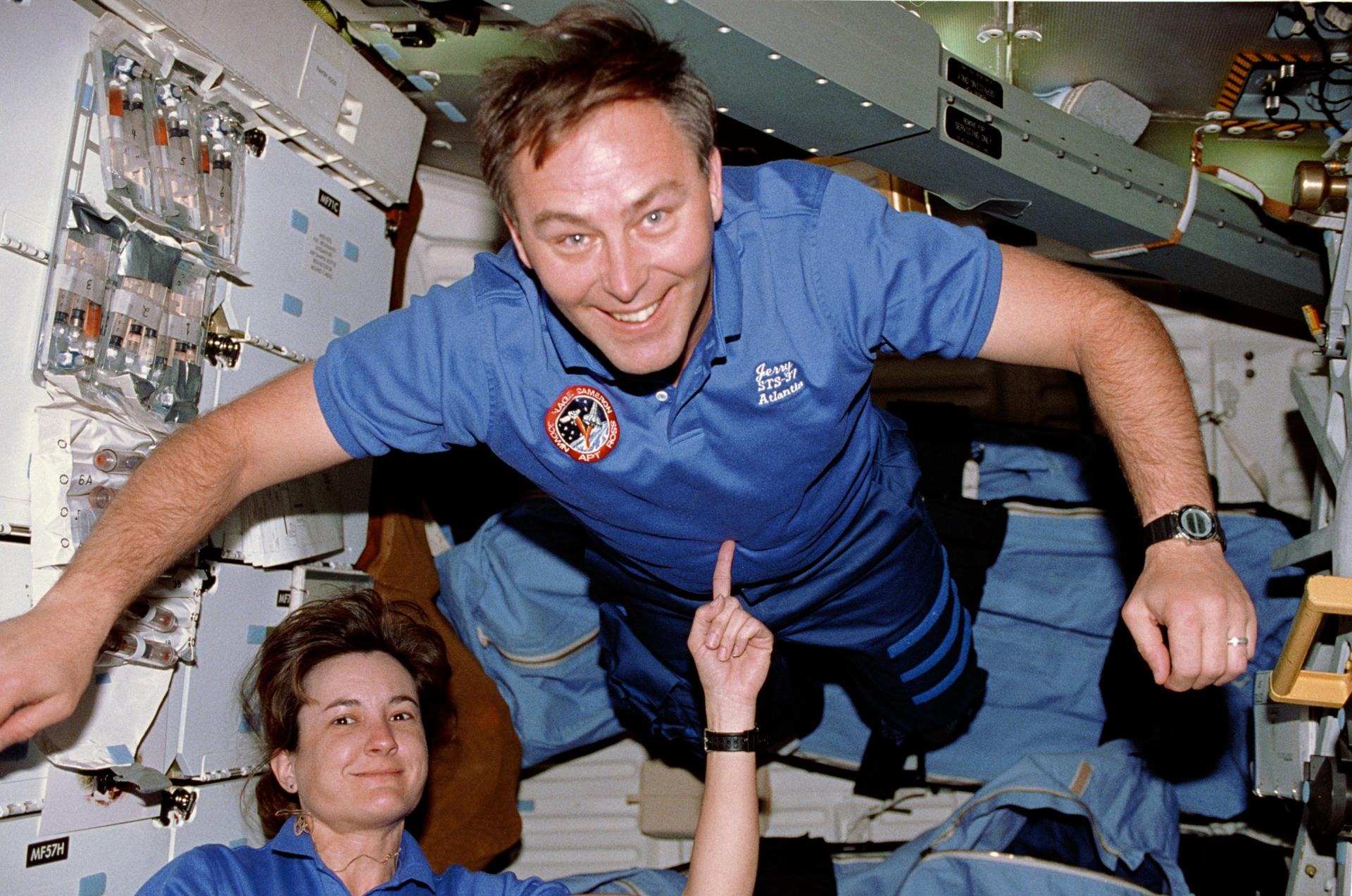
When Jerry Ross launched aboard the Space Shuttle for the first time, he was not just fulfilling a childhood dream. He was stepping into a role that would make him one of NASA’s most accomplished astronauts. With seven spaceflights, Ross remains the joint record holder for the most missions in human history. His hands built…
-
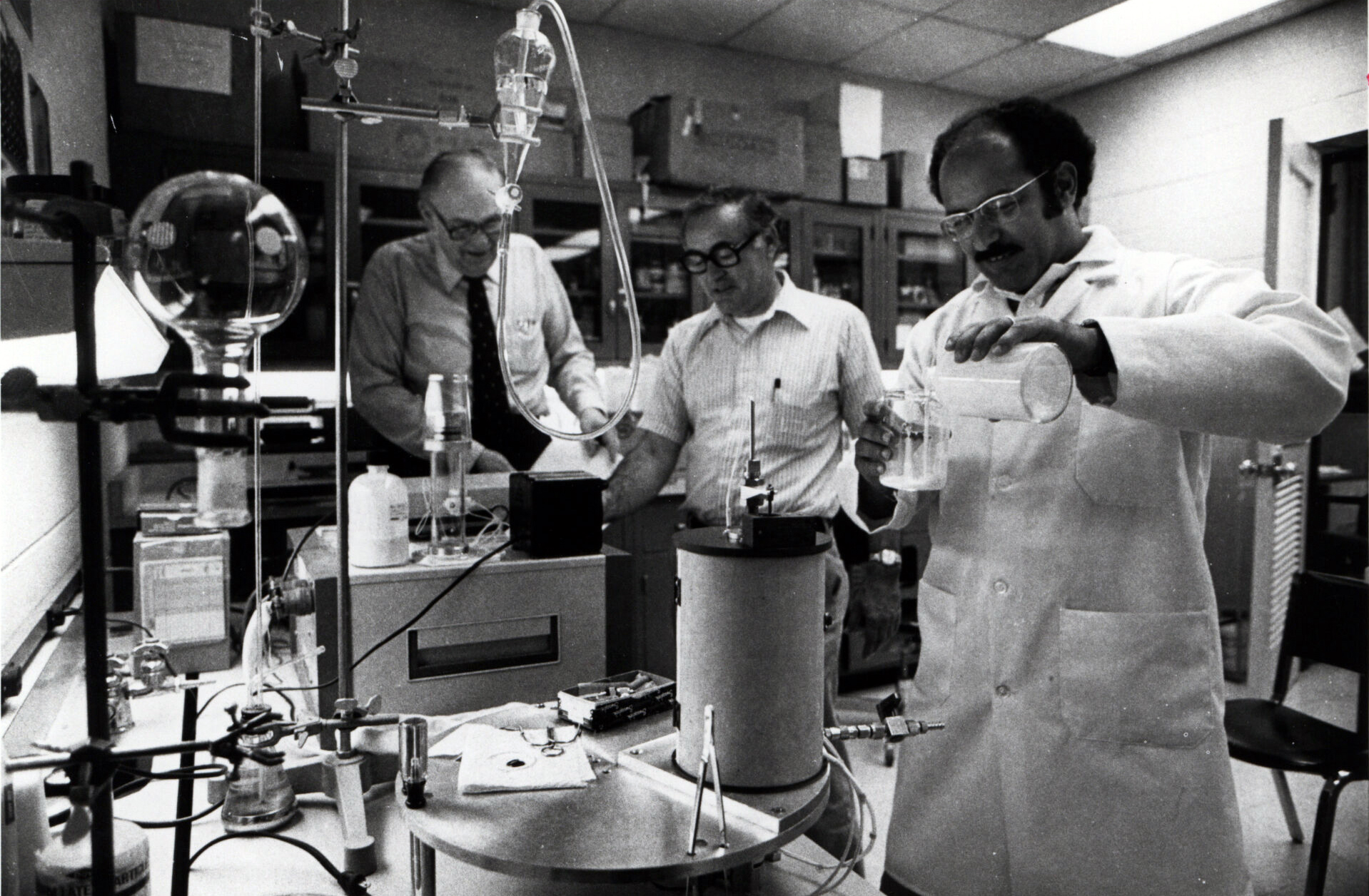
When people think about the space program, they imagine rockets, astronauts, and launchpads in Florida or Texas. What they rarely picture is a chemical engineering laboratory in eastern Pennsylvania, where fundamental questions about materials, gravity, and matter were being asked decades ago. Yet that is exactly where Mohamed S. El-Aasser built a career that quietly…
-
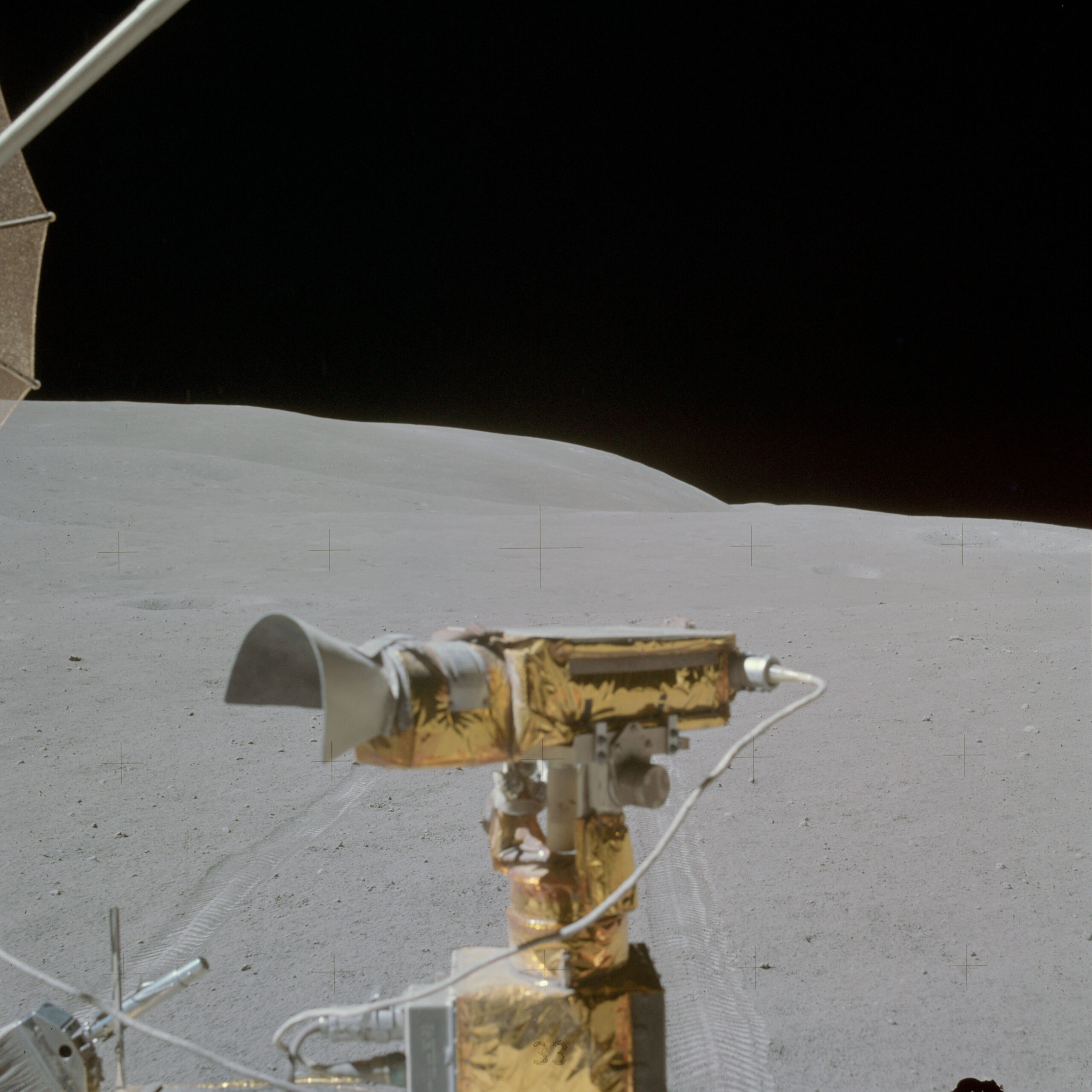
One Small Step… for a Camera? When Neil Armstrong descended the ladder of the Lunar Module and made that legendary first step on the Moon, millions of people watched it live on television. The image of Armstrong’s boot touching lunar dust is one of the most iconic in human history. But few people ever ask:…
-
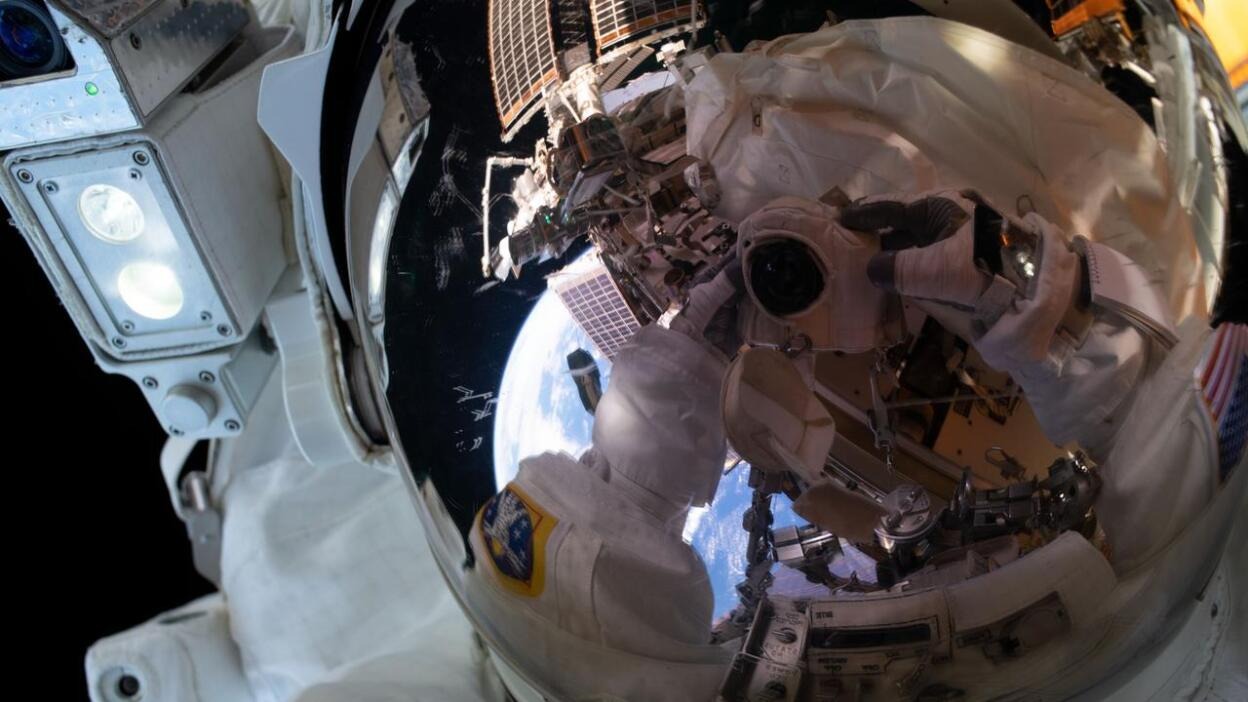
What really keeps astronauts alive when the engineering stops being the hardest part? When most of us think about spaceflight, we picture roaring rockets, glowing control panels, and heroic last-minute fixes. But during my recent podcast conversation with Al Holland, I was reminded that the most fragile system in space is not mechanical. It is…
-
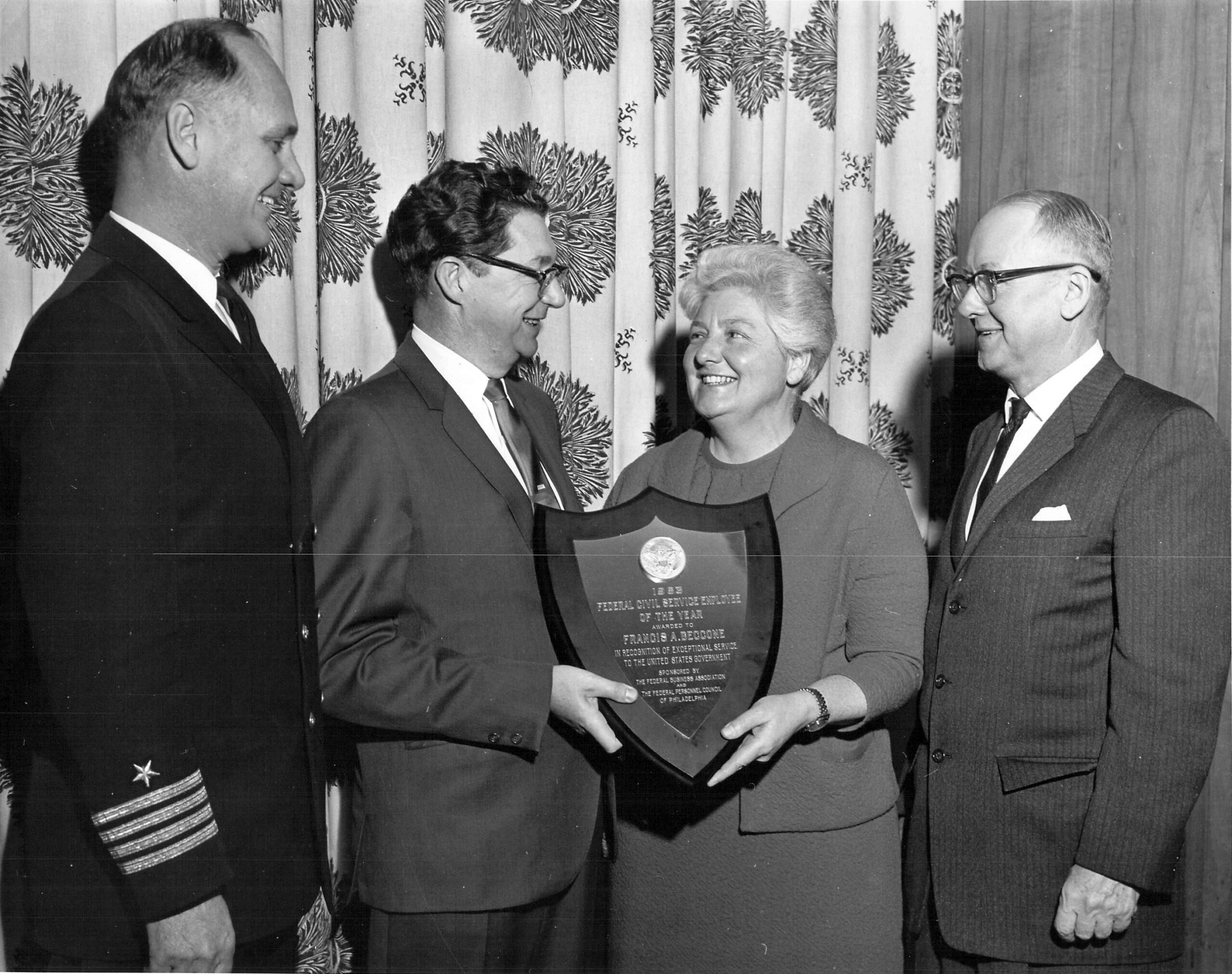
In the early 1950s, inside a restricted Cold War research facility in Warminster, Pennsylvania, a young biophysicist began work that would quietly reshape aviation safety and aerospace medicine. Her name was Alice Stoll. She did not arrive as a test subject, a novelty, or a symbol. She arrived as a scientist, recruited for her expertise…
-
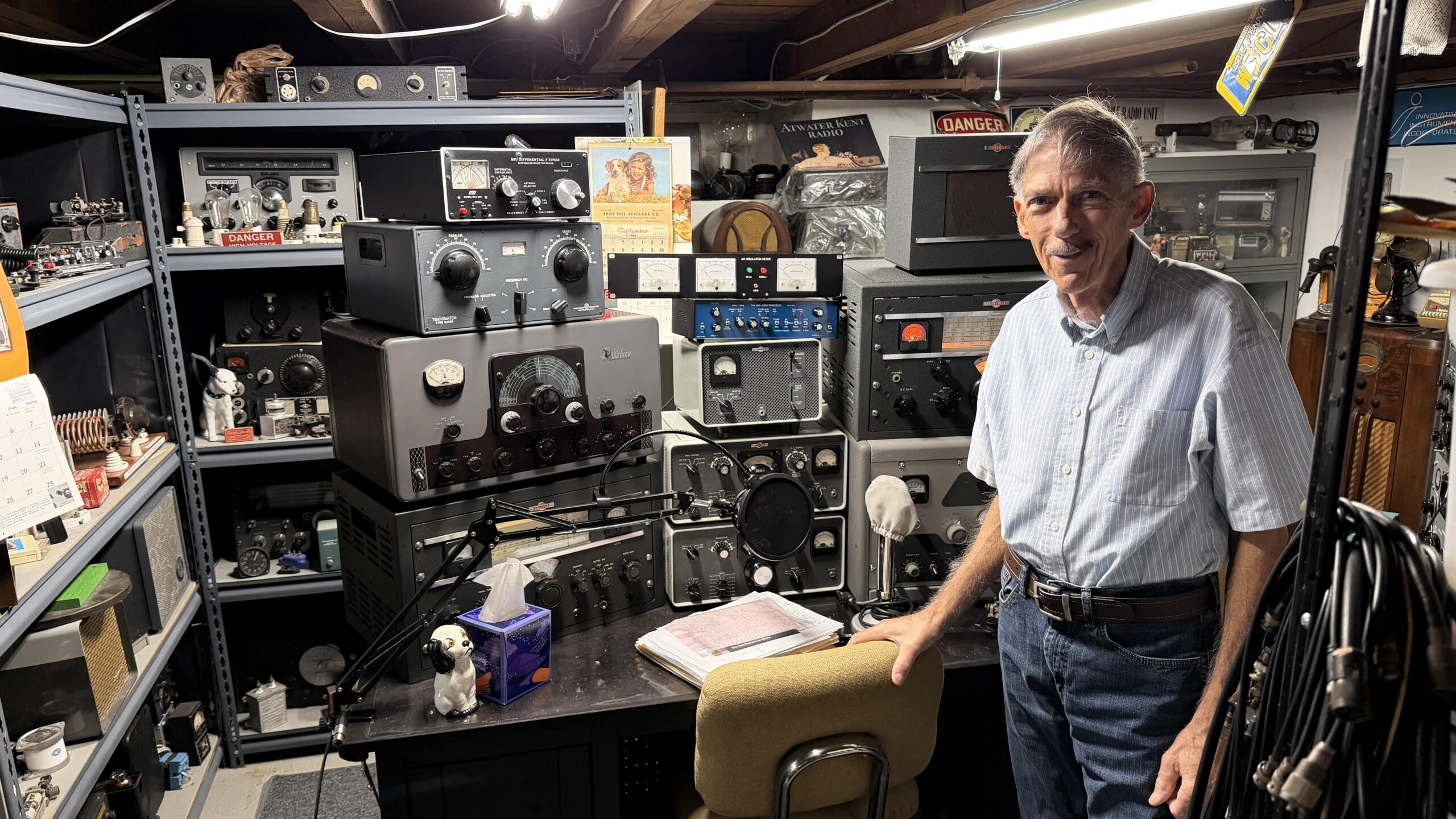
Before Silicon Valley became synonymous with American innovation, there was a different kind of creative energy radiating from a quiet base in Warminster, Pennsylvania. Inside its hangars and labs, engineers, scientists, and technicians were redefining the limits of aviation, communication, and computing. One of them was Doug Crompton—a radio engineer, inventor, and ham radio enthusiast…
-
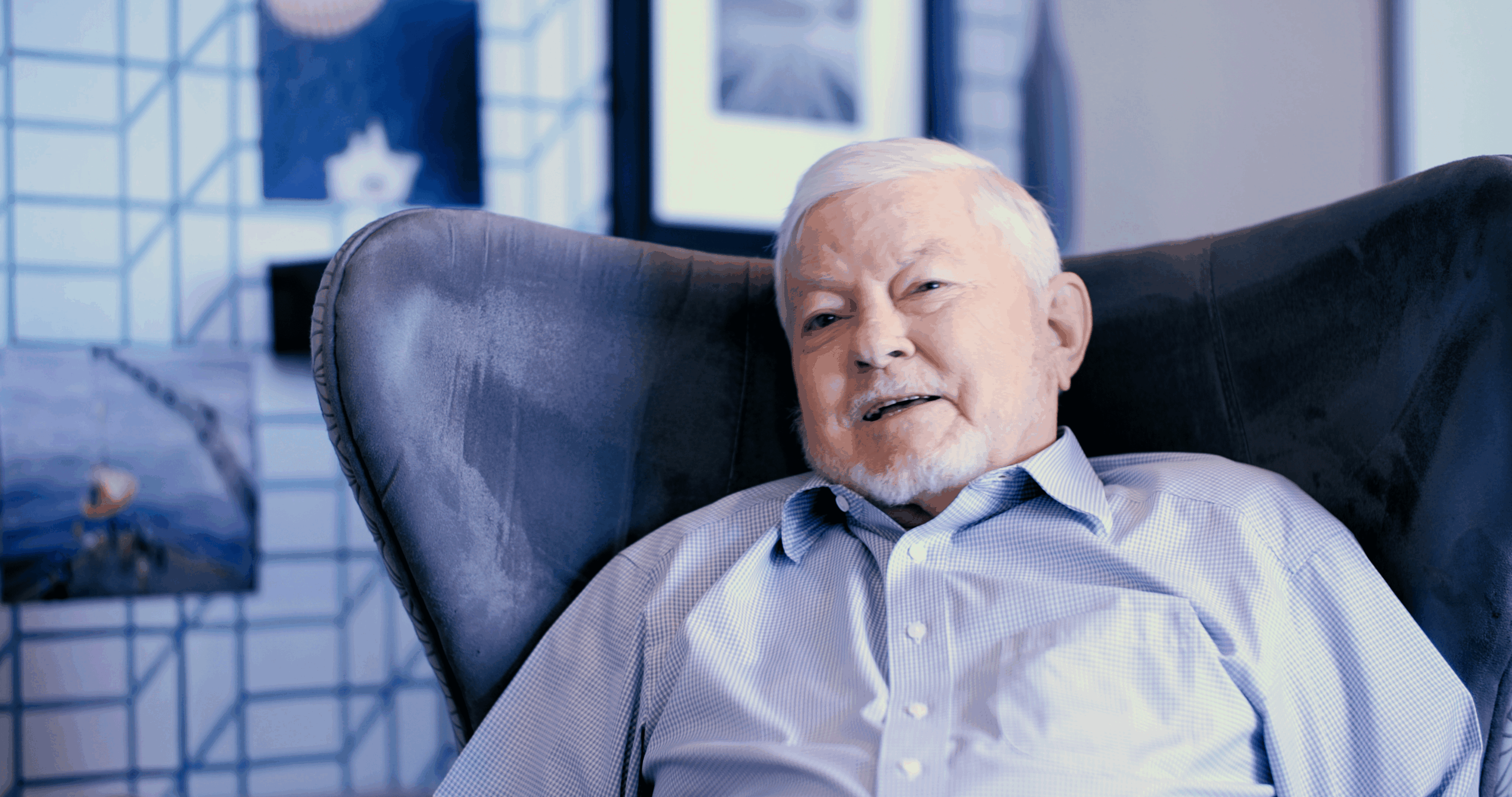
When Joe D. Gamble joined NASA in 1963, the U.S. hadn’t yet reached the Moon—and the space center he was hired to work at didn’t even exist. “When I first entered NASA in 1963,” he said, “we didn’t have Johnson Space Center yet. We were working out of apartments on the Gulf Freeway in Houston.…
-
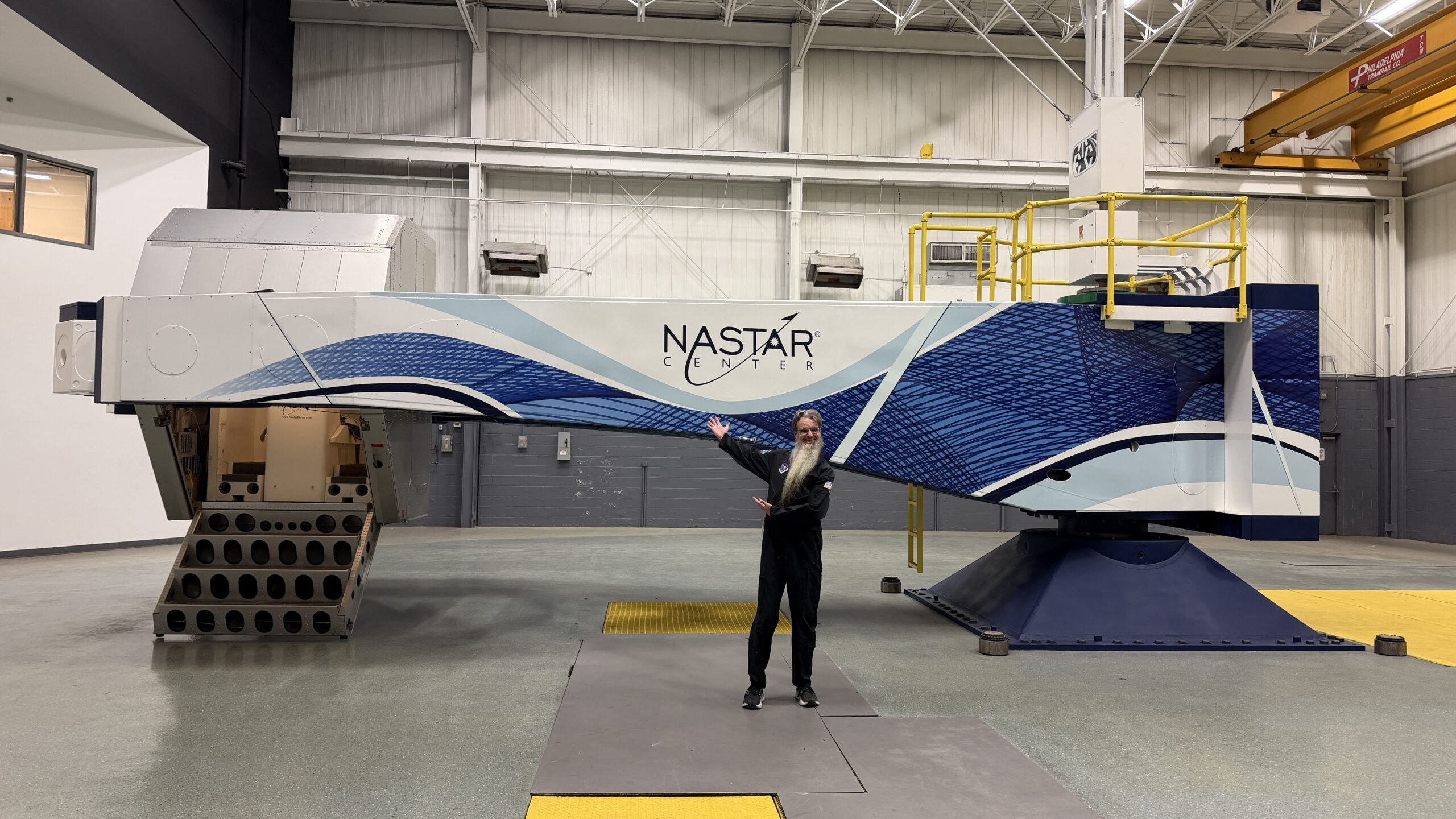
When Blue Origin revealed the six person crew of its upcoming New Shepard NS 37 mission, one name immediately stood out for those of us who have been documenting the rise of commercial spaceflight: Jason Stansell. A computer scientist from West Texas, a lifelong space enthusiast, and now a private astronaut preparing to fly above…
-
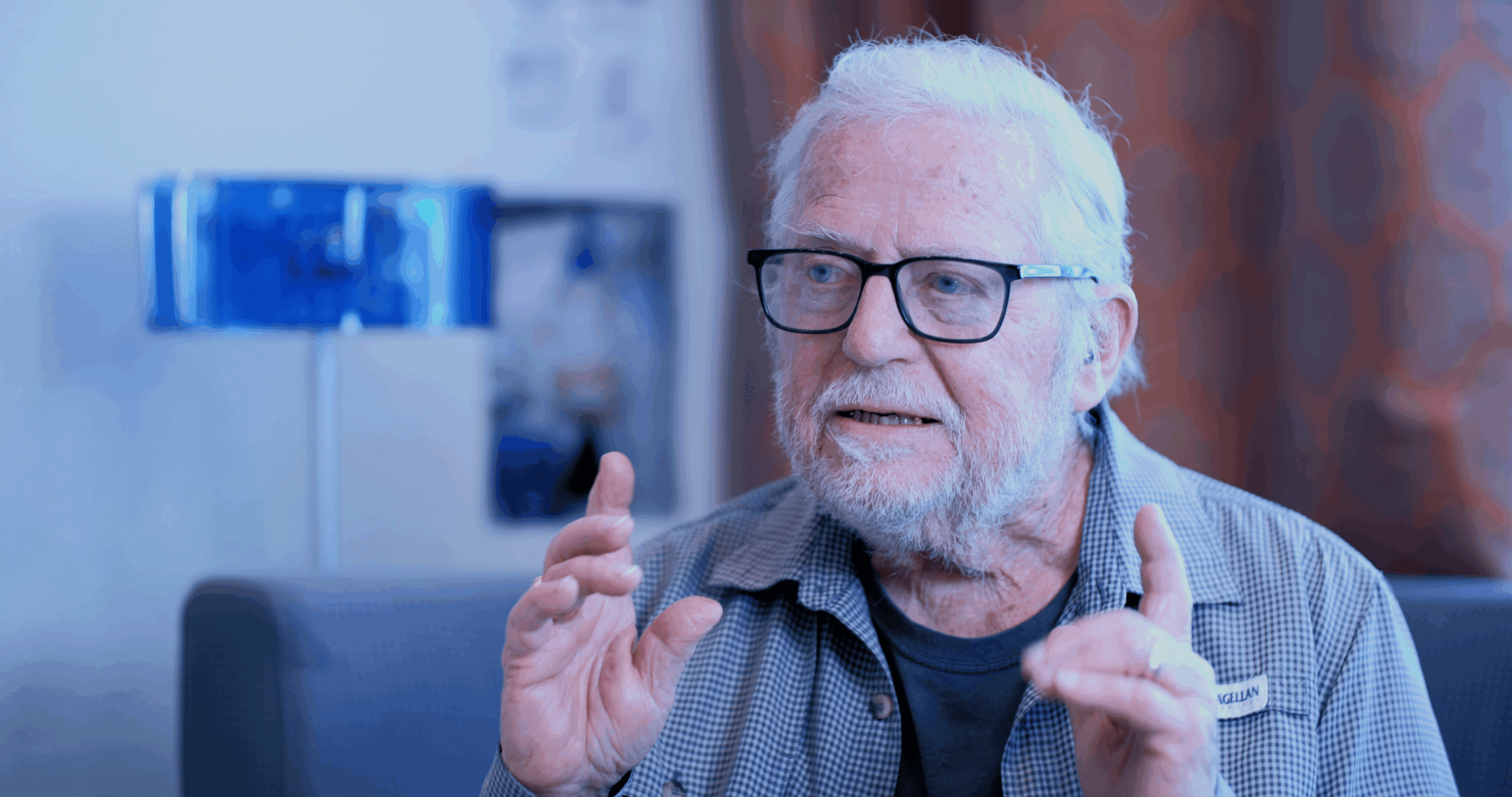
When Glenn Ecord joined NASA, he stepped into a program racing toward the Moon and fighting the limits of physics itself. “I came to NASA in 1966,” he said. “My first assignment was fixing pressure vessels that were failing. When one fails, it doesn’t just leak—it explodes.” Ecord spent 41 years in NASA’s Materials and…
-
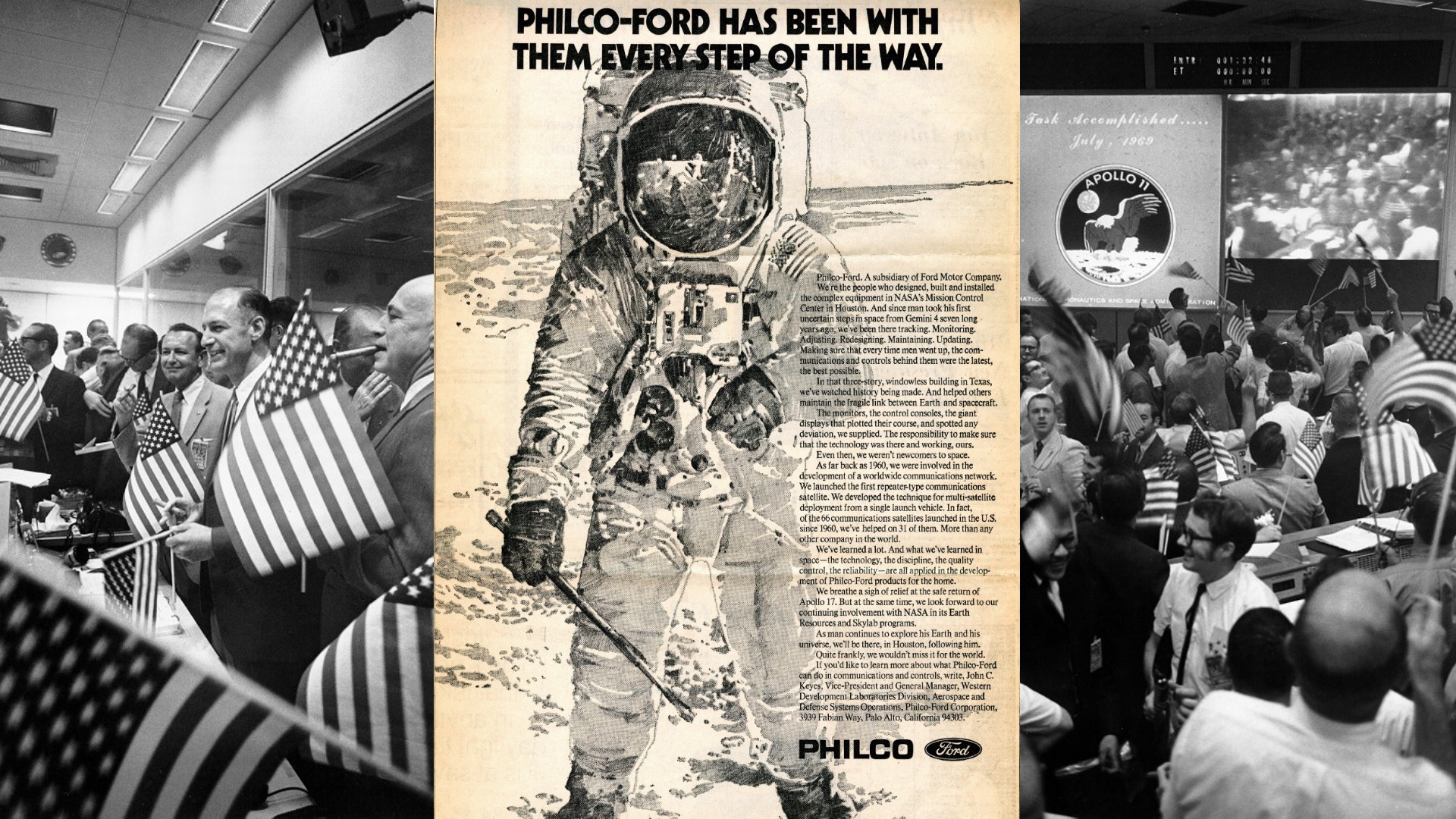
What If the Most Important Computer in Space History Needed Philly to Get to the Moon? When people think of Apollo, they picture Saturn V rockets, astronauts in white suits, and Houston’s legendary Mission Control. But behind every lunar landing was a computer so advanced—and so small for its time—that it practically invented modern digital…