

What does it feel like to be responsible for a spacecraft hundreds of miles above Earth… while sitting in a chair, staring at numbers?
For Milt Heflin, that wasn’t a thought experiment. It was his job.
He didn’t arrive at NASA with a grand plan or a childhood dream of spaceflight. The path was almost accidental. A friend mentioned NASA was hiring. He applied. And just like that, he stepped into one of the most complex and high-stakes environments ever created.
Long before the world celebrated launches and landings, before astronauts became icons, Heflin was part of the invisible system that made those moments possible.
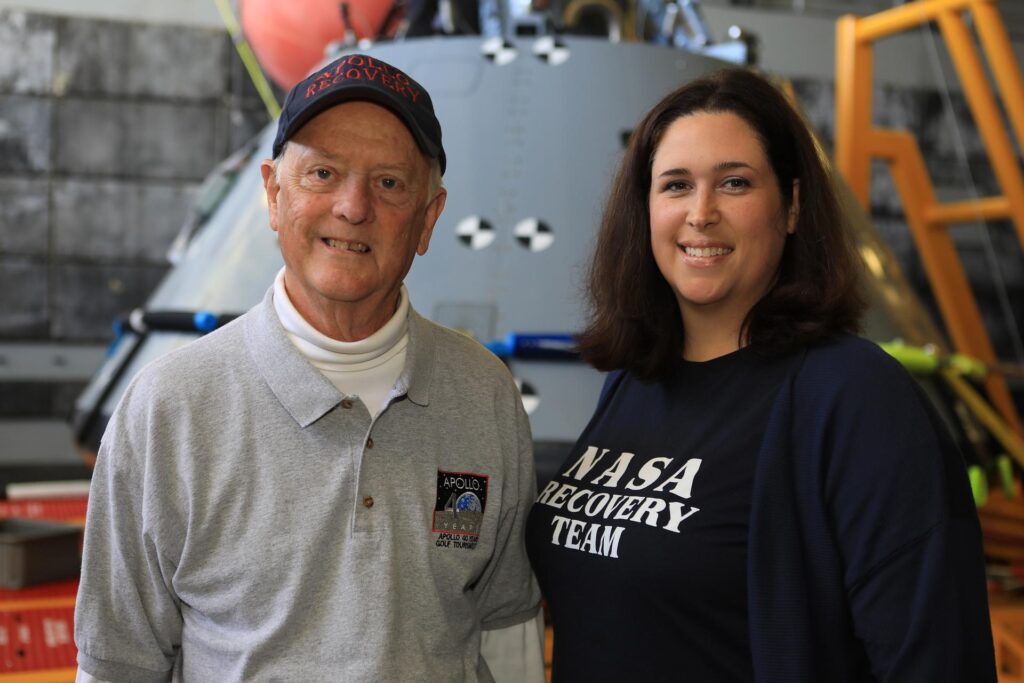
The System Behind the Mission
What he discovered wasn’t the NASA most people imagine. It wasn’t just rockets or countdowns. It was a vast, interconnected network of engineers, contractors, and specialists working in coordination. Mission Control, the room the public sees, was only the surface. Behind it were back rooms, entire teams down the hall, and experts across the country, all contributing in real time.
“You see a very small group,” Heflin explained. “There are people in the back room supporting them… and people all around the United States tuned in.”
What defined that system wasn’t just intelligence. It was preparation.
Preparation Was the Real Mission
Every mission was rehearsed relentlessly before it ever left the ground. Teams walked through timelines again and again, not to perfect them, but to break them. What could go wrong? What would they do if it did? Every scenario was explored in advance because in spaceflight, there is no room for improvisation.
That mindset extends far beyond NASA. The clarity people admire in moments of pressure is rarely created in the moment. It is built long before it.
When the Plan Breaks
Even with preparation, not everything goes according to plan.
During the Hubble Space Telescope repair mission, a critical problem emerged. A door refused to close properly. It was the kind of issue that could quietly unravel years of preparation. The timeline was tight. The stakes were enormous.
The solution didn’t come from new technology. It came from experience. A simple tool. A decision made in real time. Heflin trusted his team and made the call.
It worked.
Moments like that reveal something deeper about how NASA operates. Innovation is not always about complexity. Sometimes, it is about knowing who to trust and having the confidence to act.
Trust Was the System
That trust was the foundation of everything.
NASA, contractors, military personnel, it didn’t matter. Titles didn’t matter. What mattered was whether you knew your job.
“You could tell… does this person know what they’re doing?” he said.
Once that was clear, everything else fell into place. Decisions became faster. Communication became sharper. Problems became solvable.
What We Can Learn Today
Looking back, Heflin doesn’t focus on individual missions as much as he does the feeling of that time. There was clarity. A shared sense of direction. A belief that the work mattered and that progress was inevitable if the team stayed aligned.
“You couldn’t wait to get back to work,” he recalled.
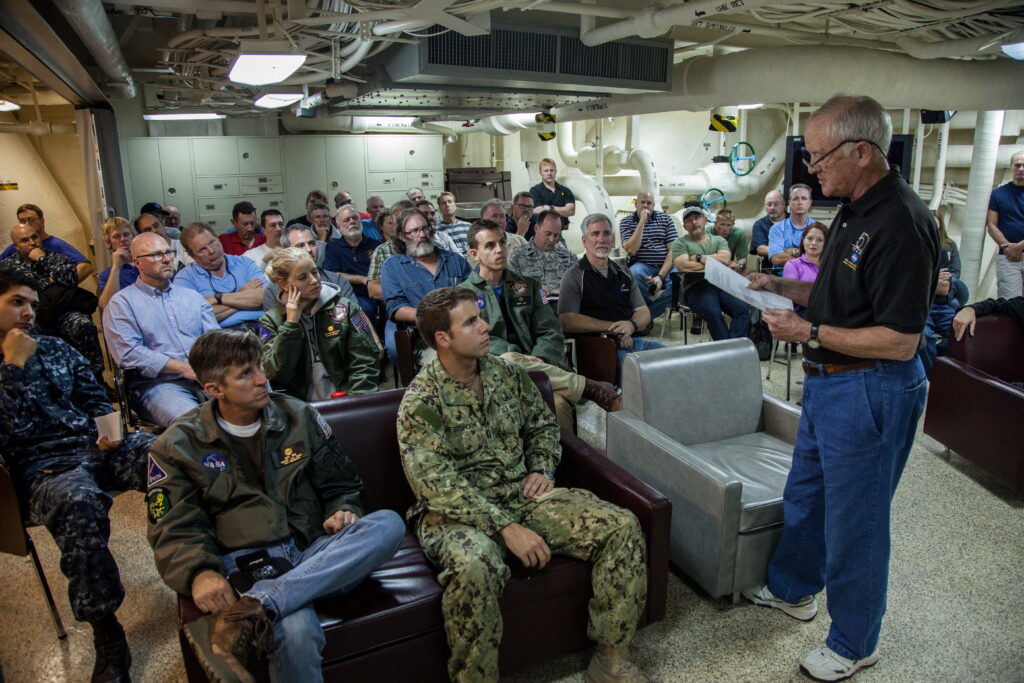
Today, that kind of alignment feels harder to find. Not because the problems are bigger, but because the focus is more fragmented. The lesson, however, has not changed.
Decide what you are going to do.
Figure out how to do it.
Then go do it.
Why These Stories Matter
We celebrate the visible heroes. The astronauts. The launches. The milestones.
But behind every one of those moments are thousands of people like Milt Heflin. Quiet professionals solving problems, making decisions, and ensuring that everything works exactly as it should.
Their stories are not just history.
They are a blueprint.
And if we are paying attention, they might show us how to build something extraordinary again.
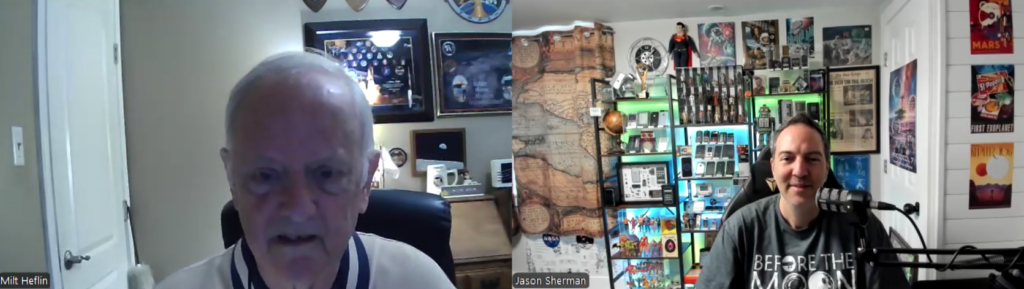
Listen to the Podcast here:
Watch the Video here:
Support the Film
Help us tell the stories of space pioneers like Milt Heflin.
• Visit BeforeTheMoonFilm.com
• Support the film through our donation page
• Follow us on Facebook: facebook.com/BeforeTheMoonFilm
Because before we go forward… we need to remember who got us here.
Leave a Reply