
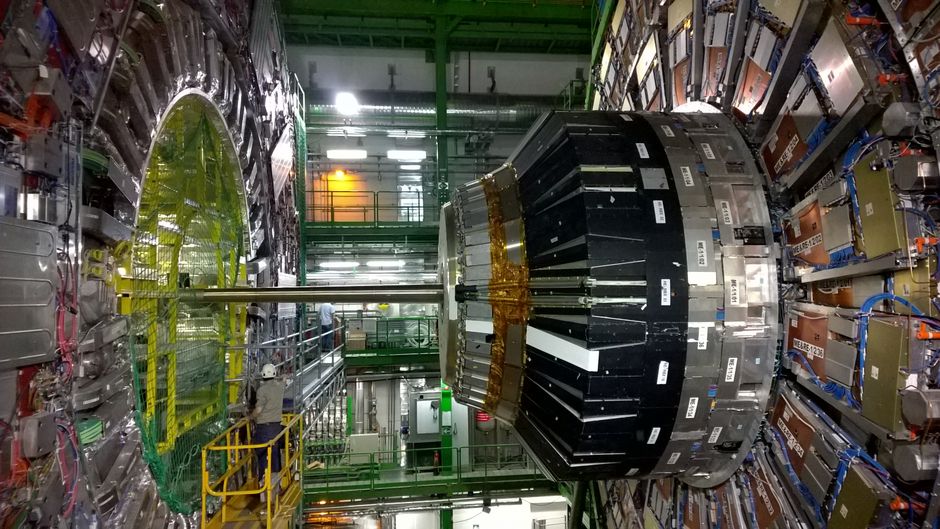
When five F‑1 engines roared together on a single test stand, a hidden team of engineers turned raw thrust into the dependable Saturn V first stage that carried humanity to the Moon.
The Problem: Turning Unprecedented Thrust into a Predictable Launch Vehicle
The Saturn V’s S‑IC stage demanded five F‑1 engines, each delivering 1.5 million pounds of thrust. Scaling a single engine’s performance to a synchronized quintet introduced three fatal risks: combustion instability that could rip a nozzle, thrust‑oscillation (the infamous “pogo” effect) that could destroy the vehicle, and structural loads that no previous launch vehicle had experienced. Static‑fire data were the only way to prove that the combined thrust would behave predictably during the first two minutes of flight.
Designing the Propulsion Test Facility: Architecture of the World’s Largest Engine Test Stand
Marshall’s Propulsion Test Facility, built in the early 1960s, featured a 400‑foot steel gantry that could support the 5‑engine S‑IC mock‑up. Under the gantry, a lattice of load cells measured thrust to within one percent, while a network of microphones and pressure transducers captured acoustic and combustion signatures. Massive acoustic‑damping curtains and a water‑spray system reduced the 200‑decibel roar to a level that engineers could actually listen to. The stand’s data‑acquisition system streamed telemetry to a control room where a team of analysts watched every micro‑second of engine performance.
Engine Test Campaigns: From Early Firings to Full‑Scale S‑IC Simulations
The test campaign unfolded in three disciplined phases. First, each F‑1 was hot‑fire individually to establish baseline thrust, chamber pressure, and vibration spectra. Next, paired‑engine tests revealed interaction effects—especially the dangerous “crosstalk” where pressure waves from one nozzle amplified oscillations in another. Finally, the full‑stage static fire combined all five engines for a 5‑minute burn, reproducing the exact launch‑pad conditions the S‑IC would face. Critical milestones included the successful mitigation of high‑frequency combustion instability by redesigning injector patterns and the validation of a new thrust‑vector control system that kept the stage within ±0.2 degrees of its intended attitude.
People Behind the Tests: Engineers, Technicians, and Managers Who Made It Happen
While Wernher von Braun’s delegation set the performance goals, the day‑to‑day orchestration fell to Marshall’s test director, James E. Baker, who balanced contractor schedules, safety reviews, and budget constraints. Lead test engineer Margaret H. Kelley coordinated the instrumentation layout, ensuring that every sensor was calibrated against known standards. Behind the scenes, a crew of 70 technicians—many of them former aircraft mechanics—rigged the massive fuel lines, installed the high‑speed data recorders, and performed the painstaking “zero‑fuel” checks that caught a cracked pressure vessel just days before a full‑stage fire. Their quick‑thinking response saved months of delay and demonstrated the value of on‑site expertise.
Legacy and Modern Relevance: How Those Ground Trials Shaped Today’s Rocket Testing
The data‑driven workflow pioneered at the Marshall facility is a direct ancestor of the static‑fire programs run by SpaceX, United Launch Alliance, and Blue Origin. Modern test stands still employ redundant instrumentation, real‑time abort criteria, and a layered safety review that mirrors the 1960s process. Engineers today can apply two actionable lessons from the S‑IC campaign:
- Redundant Instrumentation: Deploy at least three independent sensor families (mechanical load cells, optical strain gauges, and acoustic microphones) to cross‑validate thrust and vibration data. This redundancy caught the early injector‑cavity vibration that would have otherwise caused a catastrophic engine shutdown.
- Real‑Time Abort Logic: Implement software‑defined abort thresholds that compare live telemetry against a pre‑flight envelope. The Marshall team’s “hard‑stop” rule—triggered when any engine’s chamber pressure deviated by more than 2 %—prevented a cascade failure during the third full‑stage fire.
Beyond hardware, the culture of meticulous documentation—every bolt torque, every sensor drift—remains a cornerstone of aerospace safety. The Marshall Space Flight Center propulsion test facility’s legacy lives on every time a new heavy‑lift vehicle lifts off, reminding us that the roar of five engines is only trustworthy when the ground‑based trial has already silenced the unknown.
For more behind‑the‑scenes stories, visit Before the Moon’s archive.
Leave a Reply