
The deafening problem: why Saturn V’s launch acoustics threatened crew and hardware
When the Saturn V thundered off Pad 39A, the sound pressure level peaked above 150 dB—louder than a jet engine at take‑off and enough to shatter glass. Early static‑fire tests revealed that the acoustic energy could crack fuel‑tank liners, loosen instrument‑panel fasteners, and even jeopardize the command module’s crew‑cab integrity. Engineers realized that the roar was not just an annoyance; it was a structural hazard that could turn a historic mission into a disaster.
Designing the NADC Acoustic Test Facility: engineering a giant sound‑absorbing chamber
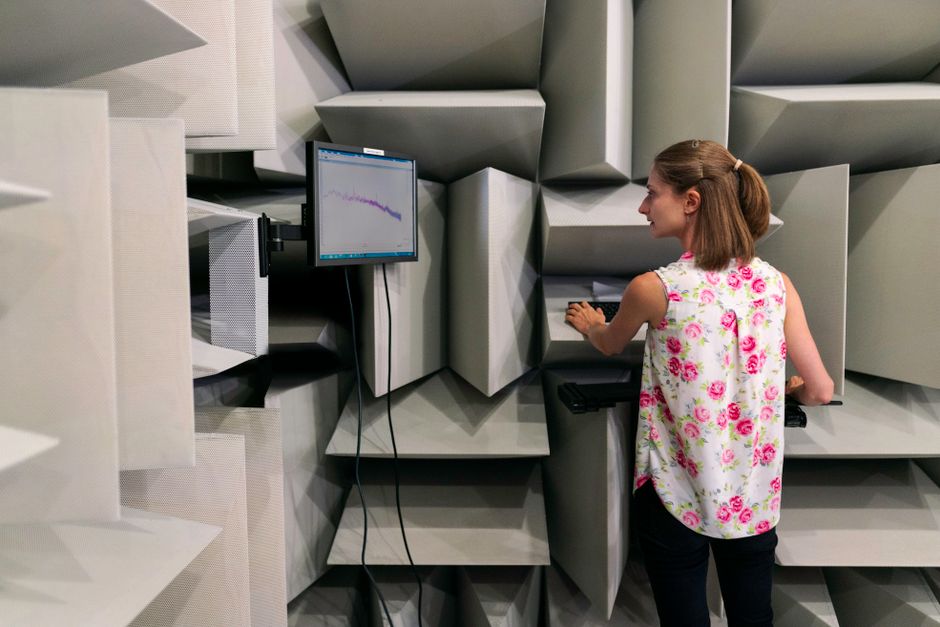
Enter the Naval Air Development Center (NADC) in Warminster, Pennsylvania. In 1965 the Navy commissioned a 150‑foot concrete cavern, later dubbed the “Acoustic Bunker,” specifically to study launch‑noise effects. The walls were lined with thousands of water‑filled panels—each acting like a giant acoustic sponge that converted high‑frequency pressure waves into heat. Adjustable baffling rigs could be repositioned to mimic the reflective geometry of a launch pad, allowing engineers to recreate the exact echo patterns a Saturn V would generate.
From theory to test: how engineers simulated the Saturn V roar
Inside the bunker, a 1‑megawatt speaker array blasted a full‑scale acoustic spectrum that matched the Saturn V’s launch signature. Full‑size mock‑ups of the launch vehicle’s first stage, instrument panels, and crew‑cab were instrumented with accelerometers, pressure transducers, and high‑speed strain gauges. Data streamed in real time, revealing which structural joints vibrated beyond design limits and which electronic housings suffered fatigue after just a few seconds of exposure.
Key test‑setup details
- Speaker configuration: 48 sub‑woofer modules arranged in a circular pattern to emulate the omnidirectional blast of the rocket’s engines.
- Mock‑up fidelity: Aluminum skins and composite panels replicated the mass distribution of the actual Saturn V stages.
- Instrumentation density: Over 200 sensors captured pressure peaks, vibration modes, and acoustic decay rates.
Results that changed launch procedures and saved lives
The NADC data forced a redesign of two critical launch‑site elements. First, the flame‑deflection trench—originally a shallow concrete channel—was deepened and filled with sand to absorb reflected sound, cutting peak pressure by roughly 30 %. Second, the water‑deluge system was upgraded to spray a denser curtain of water directly beneath the vehicle, further dampening the acoustic load.
Perhaps the most immediate benefit was to crew safety. The acoustic measurements proved that, with the new mitigations, the command module’s crew‑cab could withstand the launch environment with a comfortable safety margin. This allowed NASA to move the astronauts’ entry into the capsule from the traditional “pre‑launch” position to a later stage in the countdown, reducing the time they spent in a high‑vibration environment.
Legacy of the acoustic lab: lessons for modern launch noise mitigation
Today’s launch‑noise solutions still echo NADC’s methodology. SpaceX’s sound‑suppression towers at Boca Chica and NASA’s acoustic‑panel designs for Artemis launch pads reference the same water‑panel concepts pioneered in the 1960s. Moreover, the data‑driven approach—full‑scale testing, high‑density instrumentation, and iterative design—has become the template for contemporary computational acoustic modeling. Engineers now blend CFD‑style acoustic simulations with on‑site “bunker‑style” tests before committing a new heavy‑lift vehicle to the pad.
Even as commercial launch providers push toward reusable rockets, the fundamental physics uncovered at the NADC acoustic test facility remain unchanged: a massive rocket generates a shockwave that can damage the very vehicle that creates it. Understanding and taming that shockwave is as much a matter of crew survivability as it is of vehicle integrity.
Why the story matters now
The Saturn V’s acoustic challenge was solved in a hidden concrete cavern half a world away from Cape Canaveral, yet its lessons are woven into every modern launch. As Artemis missions prepare to send the next generation of astronauts to the Moon, and as private firms chase ever‑larger payloads, the same question resurfaces: how loud is too loud? The answer, rooted in the NADC acoustic testing of Saturn V, reminds us that the quietest launch is the safest launch.
Leave a Reply