
Before the Moon Blog
Exploring the past, present, and future of space.
Tag: Johnsville Centrifuge
-
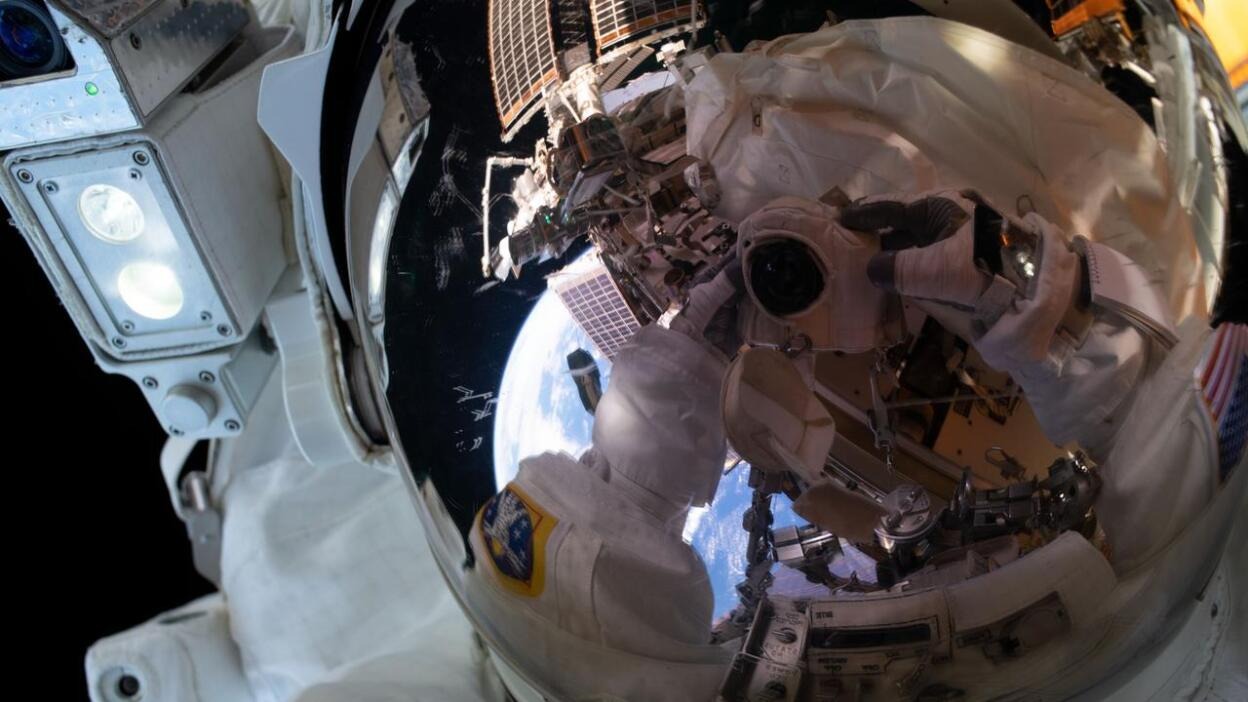
What really keeps astronauts alive when the engineering stops being the hardest part? When most of us think about spaceflight, we picture roaring rockets, glowing control panels, and heroic last-minute fixes. But during my recent podcast conversation with Al Holland, I was reminded that the most fragile system in space is not mechanical. It is…
-
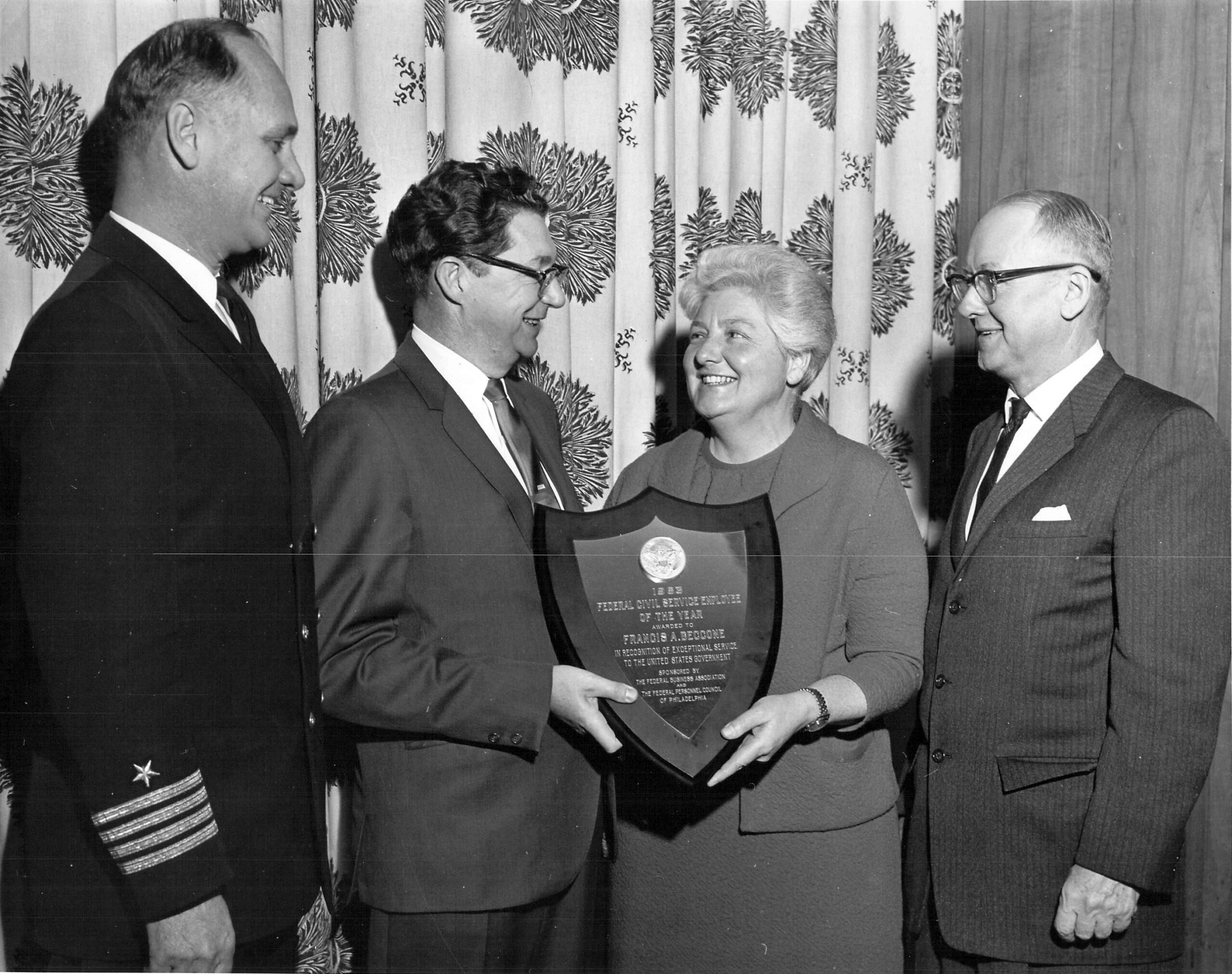
In the early 1950s, inside a restricted Cold War research facility in Warminster, Pennsylvania, a young biophysicist began work that would quietly reshape aviation safety and aerospace medicine. Her name was Alice Stoll. She did not arrive as a test subject, a novelty, or a symbol. She arrived as a scientist, recruited for her expertise…
-
When Joe D. Gamble joined NASA in 1963, the U.S. hadn’t yet reached the Moon—and the space center he was hired to work at didn’t even exist. “When I first entered NASA in 1963,” he said, “we didn’t have Johnson Space Center yet. We were working out of apartments on the Gulf Freeway in Houston.…
-
When Glenn Ecord joined NASA, he stepped into a program racing toward the Moon and fighting the limits of physics itself. “I came to NASA in 1966,” he said. “My first assignment was fixing pressure vessels that were failing. When one fails, it doesn’t just leak—it explodes.” Ecord spent 41 years in NASA’s Materials and…
-
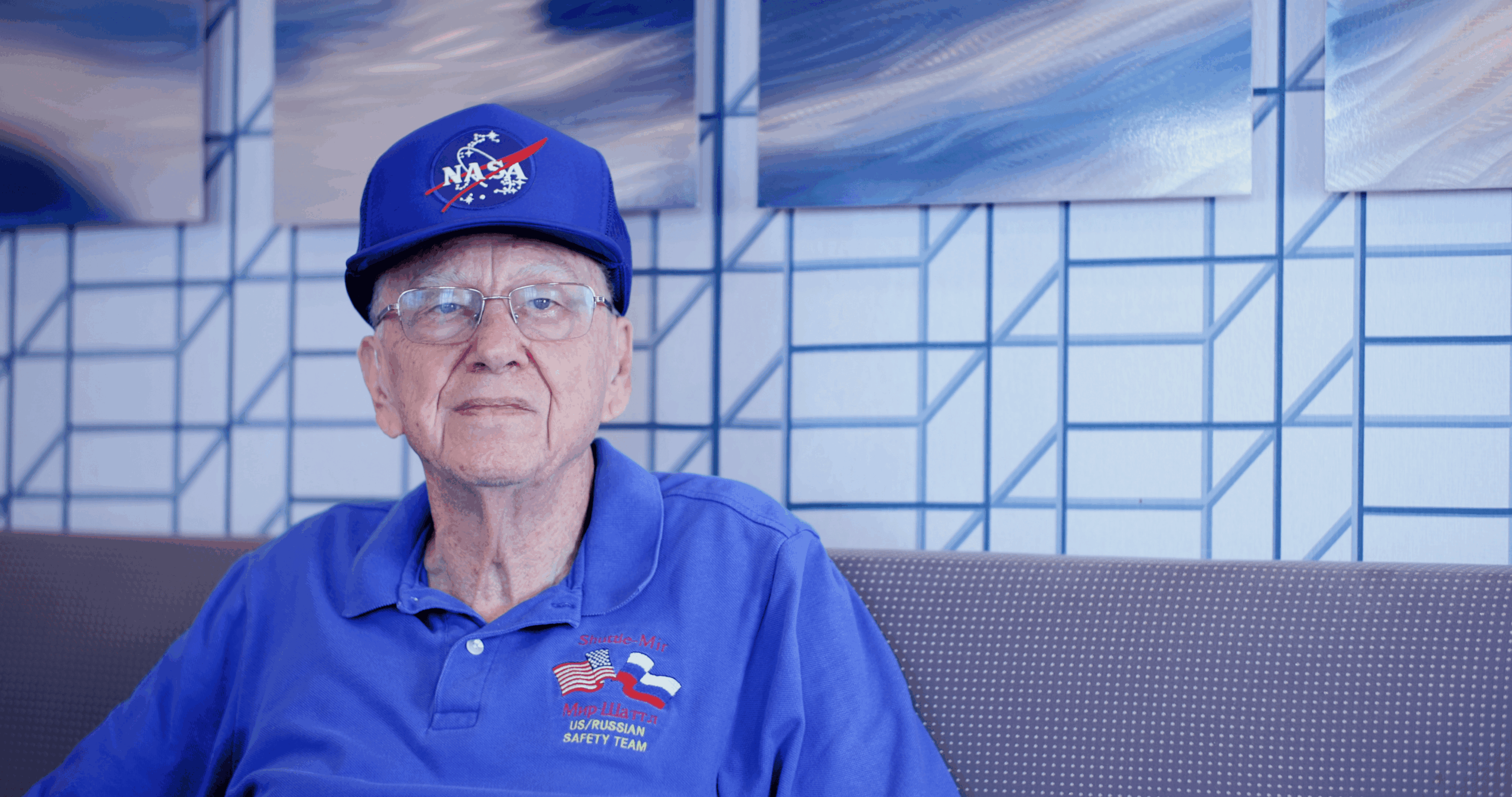
In June 1964, a young engineer named Gary Wayne Johnson packed his wife, their belongings, and their dreams into a VW Bug and drove to Houston. “That was about all we owned,” he laughed. “I’d just graduated from Oklahoma State. I changed my major from chemical to electrical engineering because I wanted to work in…
-
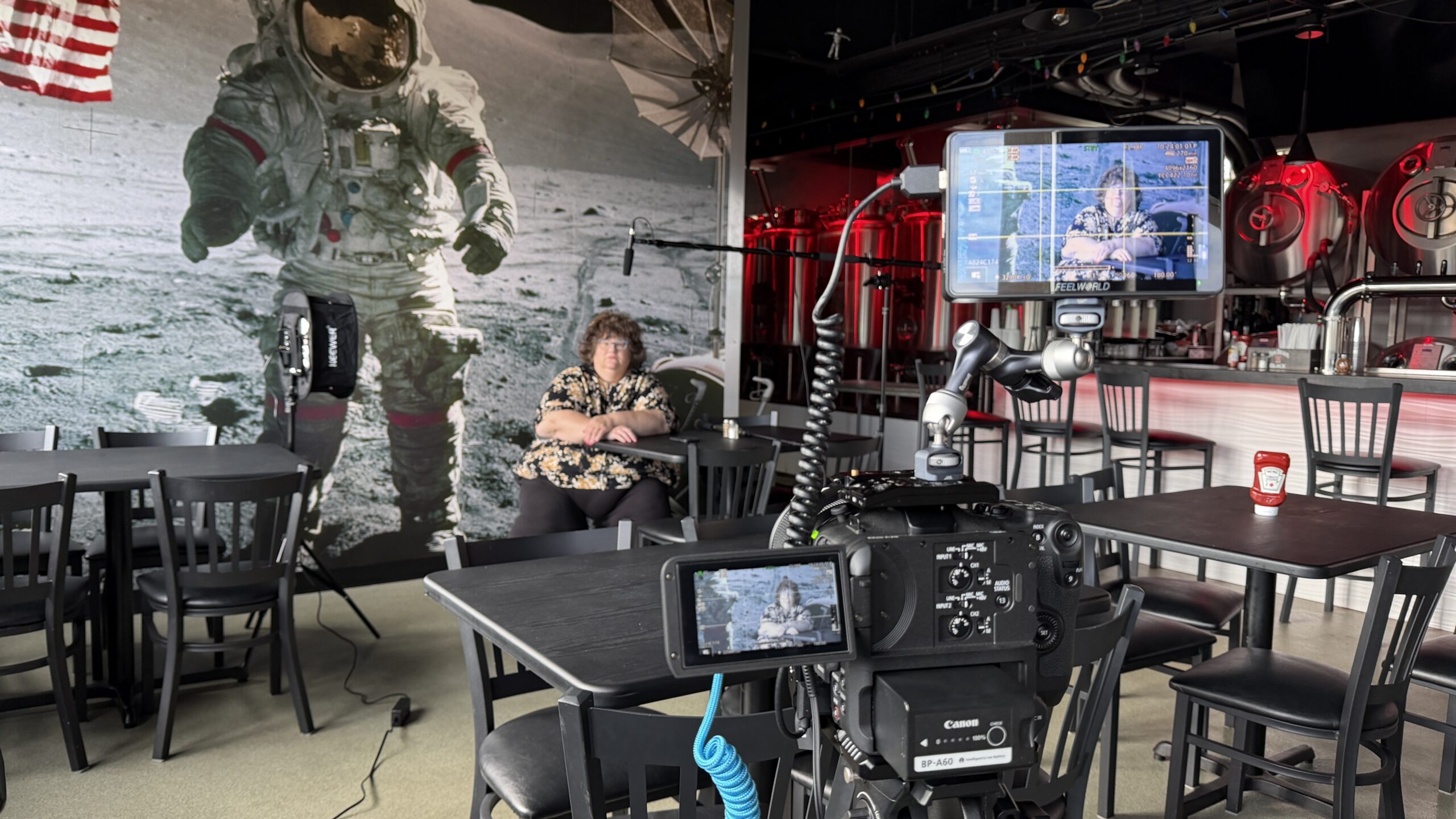
In the quiet heart of Warminster, Pennsylvania, beneath the shadow of shopping centers and suburban streets, lies a history that once helped power the Space Race. Eleanor O’Rangers, President of the Southeastern Pennsylvania Cold War Historical Society, has dedicated her career to uncovering it. “Most people think of Bucks County as the birthplace of America,”…
-
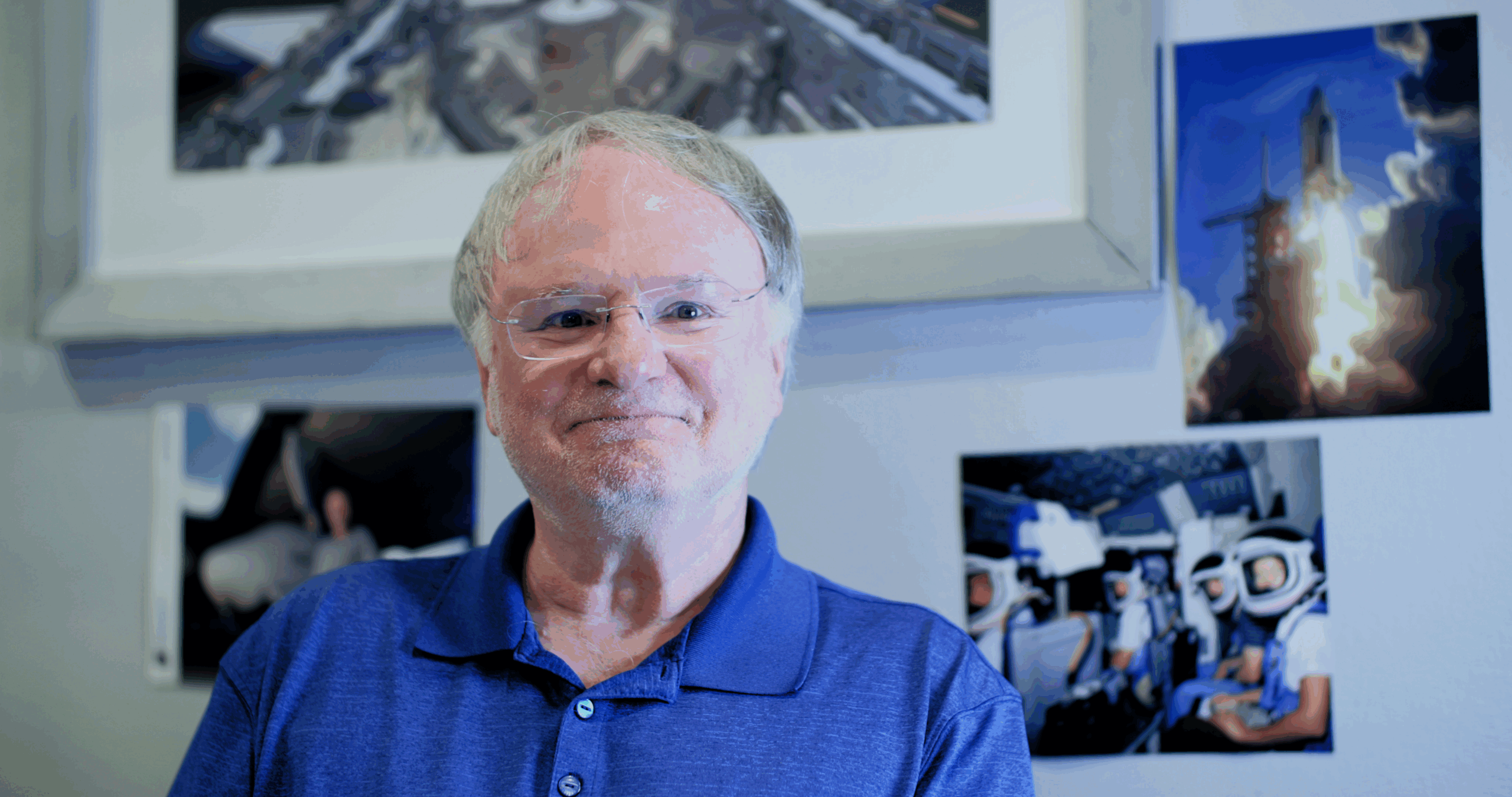
Long before the roar of the Shuttle’s engines filled the Texas sky, a young boy in Mississippi was standing on a dirt road, staring up at a moving star. “It was one of the early NASA satellites,” Stokes McMillan recalled. “I watched it glide across the sky, silent and bright. From that moment on, I…
-
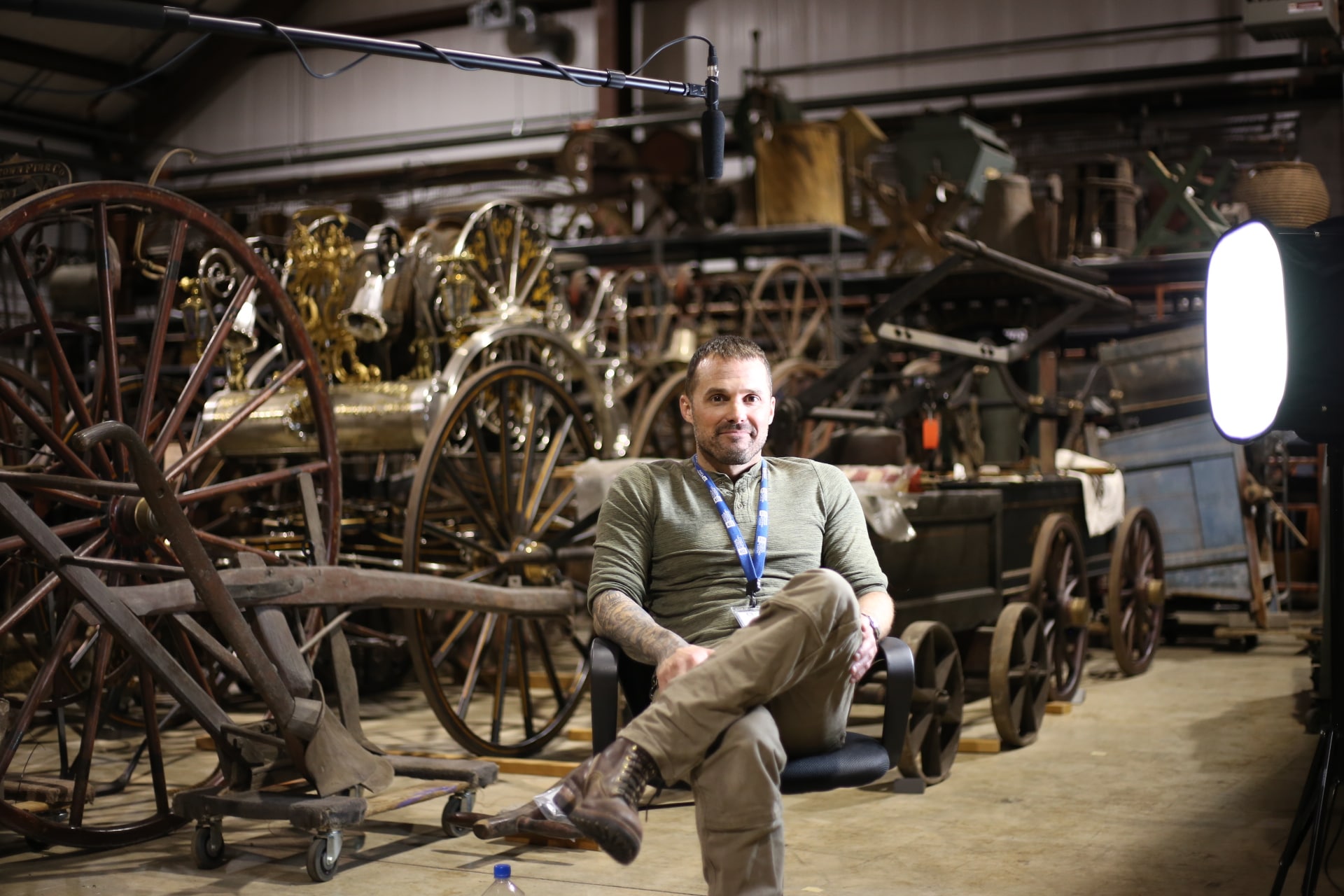
When you walk through the Mercer Museum in Doylestown, you’re not just looking at objects, you’re peering into the DNA of American invention. That’s where Clint Flack works as an Exhibit Specialist and Curator, installing exhibits, researching local history, and safeguarding the stories of Bucks County’s innovators. His perspective reveals how a quiet farming county…
-
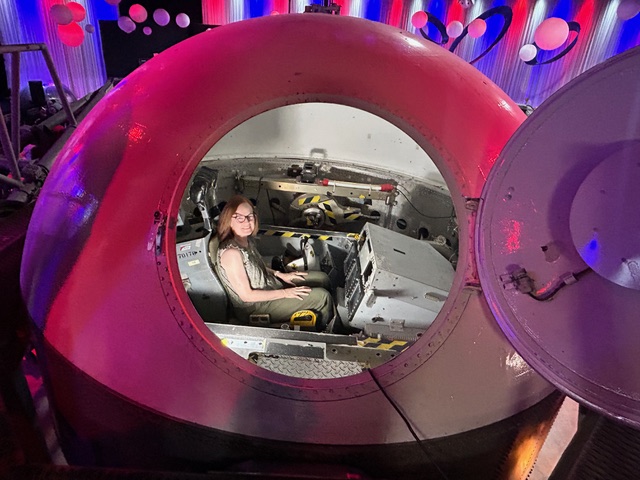
Walking through the old Rockwell plant in Downey, California—home of the Apollo capsules, Space Shuttle orbiters, and parts of the International Space Station—was like stepping into a living museum. For Kirsten Armstrong, it was also the launchpad of a career that would put her at the forefront of space policy and strategy. Today, as President…
-
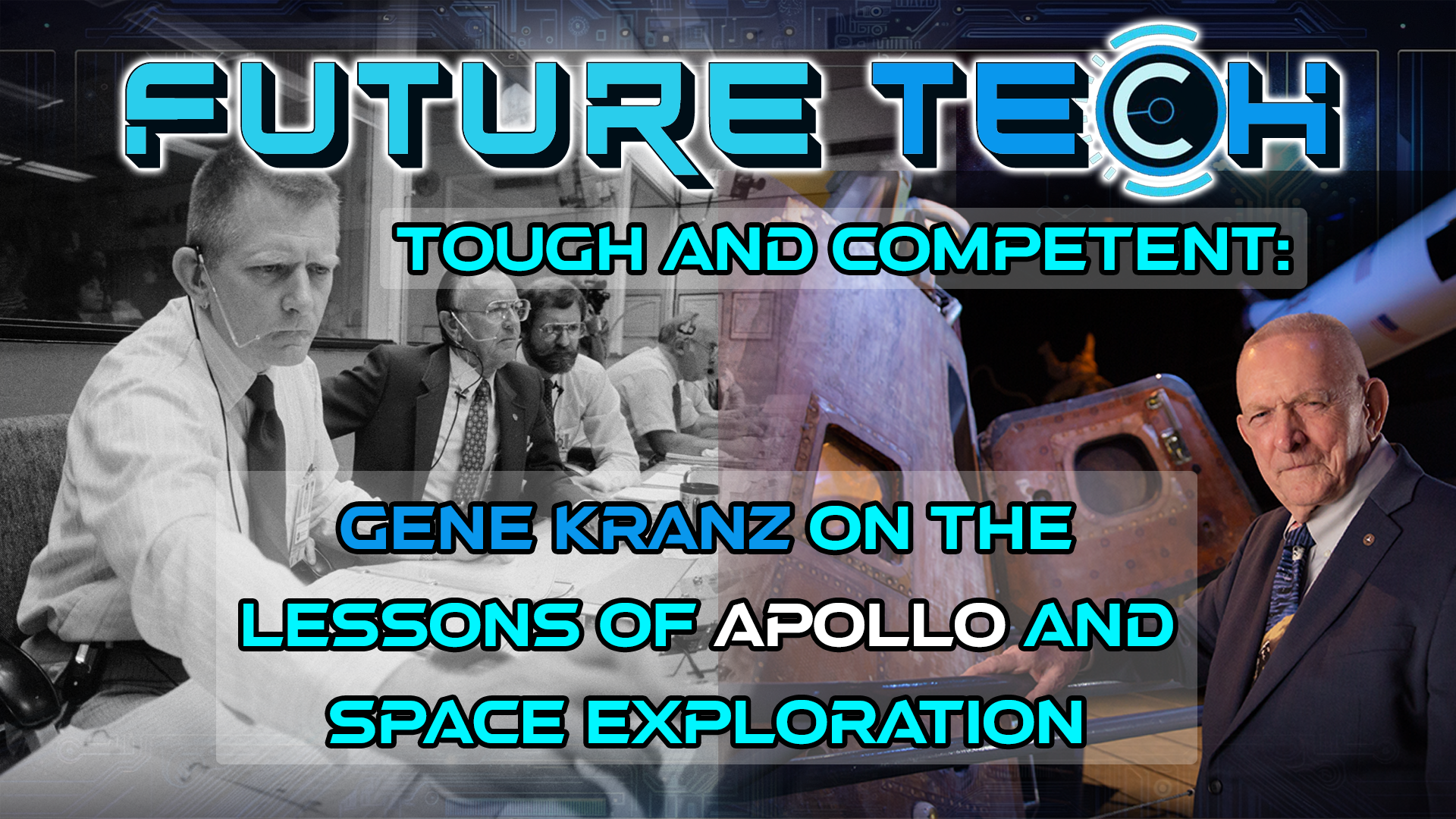
When people think of the Apollo era, one name rises above the rest: Gene Kranz. As NASA’s legendary flight director, he guided America through its greatest triumphs and darkest hours—from Apollo 11’s first lunar landing to the near-disaster of Apollo 13. Recently, I had the honor of sitting down with Kranz, and what he shared…